
If you think cooking is just tossing ingredients into a pot, think again. Welcome to the thrilling world of advanced cooking techniques, where precision meets creativity and your dinner plate transforms into a work of art. These methods not only elevate flavors but also turn ordinary meals into extraordinary experiences. Ready to wow your friends (and yourself)? Let’s jump into the delicious depth of cooking like a pro.
Sous Vide Cooking: The Precision Method
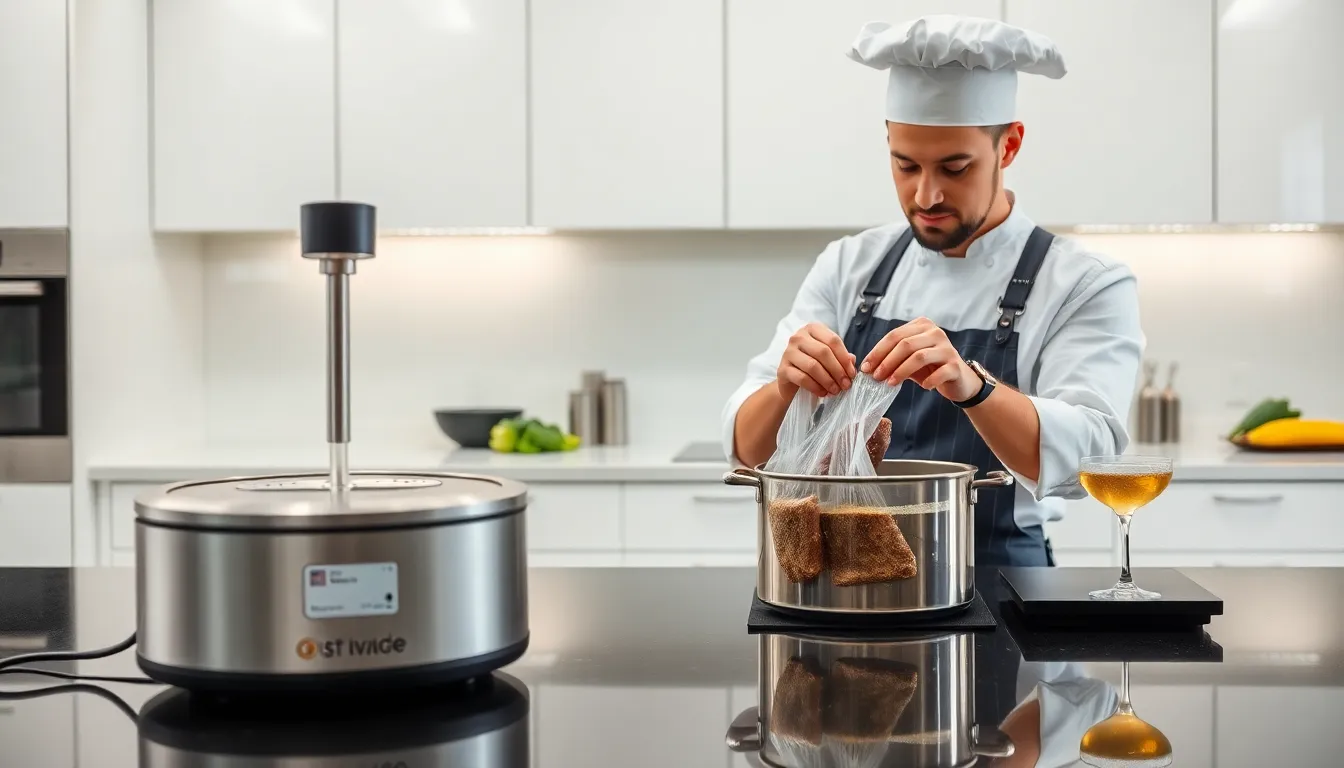
Understanding Sous Vide Basics
Sous vide is a technique that may sound complicated but is incredibly simple. The term ‘sous vide’ means ‘under vacuum’ in French. Here’s where the magic begins: food is sealed in plastic and submerged in a water bath, cooking it evenly at a precise temperature. Think of it as a spa day for your chicken breast, it’s pampered until perfectly tender, juicy, and full of flavor.
Benefits of Sous Vide Cooking
The benefits of sous vide extend far beyond just keeping your meat juicy. This method offers unparalleled control over cooking times, ensuring that every bite is cooked to perfection without the risk of overcooking. It’s also hands-off, allowing cooks to multitask in the kitchen. Who wouldn’t love a method that lets them sip a cocktail while dinner cooks itself? Plus, food can be prepped ahead of time, making this technique ideal for dinner parties.
Common Sous Vide Recipes
Some recipes are just begging to be sous vide-d. Think perfectly cooked steaks, creamy custards, or even eggs that are soft and silky. Starting with something classic like sous vide egg bites can help novices become comfortable with the process. A great place to begin is a simple steak seasoned with salt and pepper, cooked at 130°F for about 1-4 hours, depending on how you like it. The result? A restaurant-quality dish right at home.
Molecular Gastronomy: The Science of Cooking
Key Techniques in Molecular Gastronomy
Molecular gastronomy might sound like something out of a sci-fi movie, but it brings the science of cooking to the forefront. Techniques like spherification allow chefs to create tiny, caviar-like balls that burst with flavor when bitten into. Emulsification creates rich sauces without the heavy creams. It’s not just about being flashy: it’s about enhancing textures and flavors, too.
Popular Molecular Gastronomy Ingredients
Key ingredients in molecular gastronomy include agar-agar, a vegan gelatin made from seaweed, and sodium alginate, which acts as a thickener. These ingredients transform conventional cooking, creating new experiences for diners. By using these tools, chefs can reimagine classic dishes or even invent new ones that will astonish those who partake.
Diverse Applications in Gastronomy
The applications of molecular gastronomy are vast and varied, from upscale restaurants to home kitchens. Transforming a traditional Caprese salad into foamy basil and mozzarella beads introduces an element of surprise. Not only is it innovative, but it also engages all the senses, ensuring that dining is about more than just taste. Who wouldn’t want to experience food in a whole new way?
Smoking and Infusing: Adding Depth to Dishes
Types of Smoking Techniques
Smoking doesn’t just mean barbecuing: it’s a diverse technique that adds rich flavors to foods. Cold smoking allows foods to absorb smoke flavor without cooking them, ideal for fish or cheese. Hot smoking, on the other hand, cooks the food while it smokes, great for meats and vegetables. Smokers come in different types, from traditional wooden barrels to easy-to-use stovetop units.
Creating Infusions: Oils, Liquors, and More
Infusing isn’t just about steeping herbs in oil or alcohol: it’s about creativity. Infused oils can elevate a simple dressing and flavored liquors can take your cocktails to the next level. Try infusing olive oil with garlic and rosemary or steeping vodka with jalapeños for a kick in your next Bloody Mary. The right infusion can transform a dish or drink from mundane to memorable.
Tips for Effective Smoking and Infusing
Wind down the flavor intensity by pairing lighter ingredients with subtle smoke, while stronger foods can handle more robust flavors. It’s always vital to taste along the way: remembering that infusion is a gentle process, patience is key. Infused oils are best when left to sit for a few days, allowing the flavors to blossom. Happy smoking.
Fermentation: A Culinary Revival
Understanding the Fermentation Process
Fermentation is returning to the culinary spotlight, showcasing what can happen when food is left to its own devices. This process involves microorganisms breaking down sugars and starches, producing beneficial bacteria and, in many cases, delicious flavors. From sauerkraut to kombucha, fermented foods are about creating complexity and a deeper palate. Here’s a fun fact: did you know that fermented foods can also improve gut health?
Benefits of Fermented Foods
The benefits of incorporating fermented foods into one’s diet are staggering. These foods can enhance digestion, bolster the immune system, and introduce a symphony of flavors in every bite. Pickles make salads interesting again, while yogurt can be a dessert you don’t feel guilty about. With health benefits and incredible taste, it’s no wonder fermentation is having a renaissance in kitchens everywhere.
Innovative Fermentation Techniques to Try
Diving into fermentation is easier than most think. Start with simple recipes like homemade yogurt or sauerkraut. If feeling adventurous, explore kefir grains or even try brewing your own kombucha at home. The sky’s the limit here. Not only does fermentation make for delicious food, but it also offers a fun project that keeps your hands busy in the kitchen.

