
Cooking might seem daunting, but it’s really just a dance in the kitchen where the ingredients are your partners. Ever burnt toast or turned scrambled eggs into a rubbery disaster? Don’t worry, even the best chefs had their share of kitchen catastrophes. In this guide, we’ll peel back the layers on basic cooking techniques that will transform anyone from a microwave master to a culinary enthusiast. So grab your apron, and let’s stir up some skills.
Understanding Cooking Methods
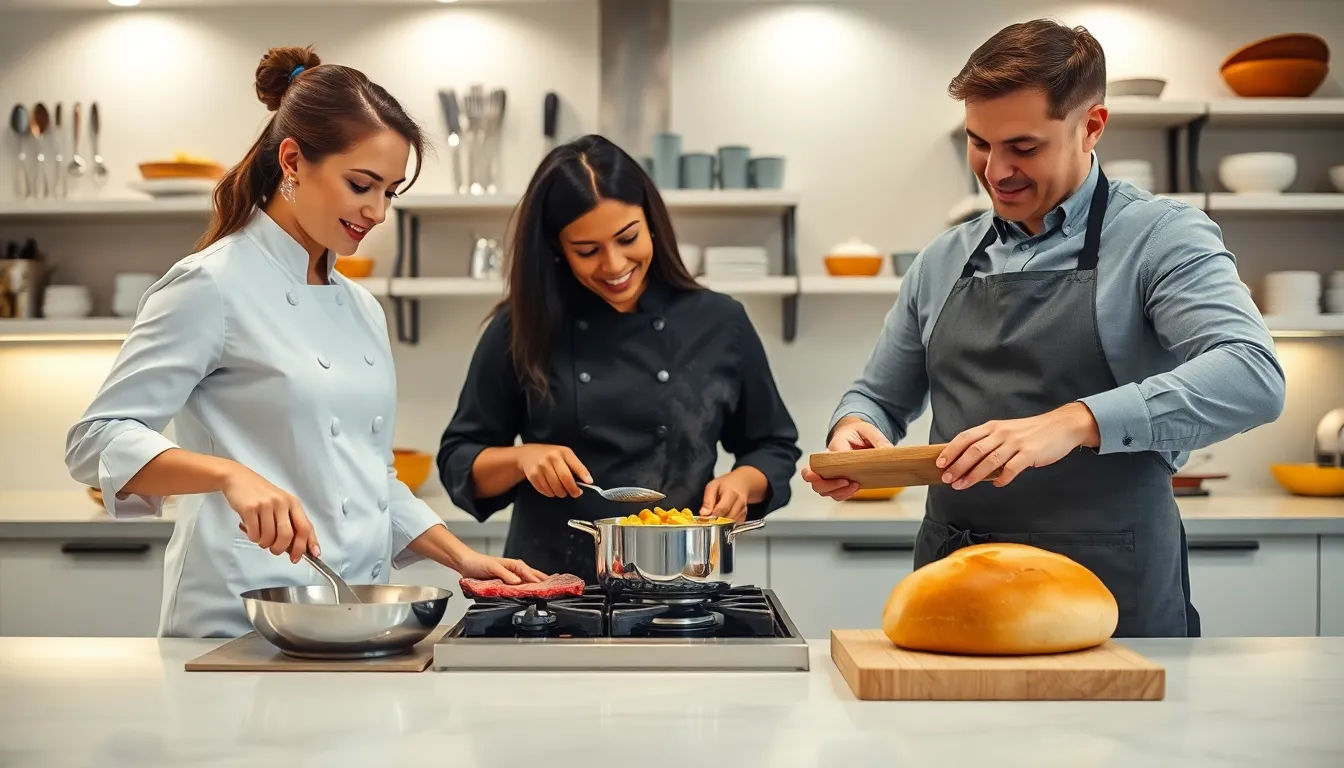
To start, it’s vital to grasp the two primary cooking methods: dry heat and moist heat. Each has its unique charm and purpose. Dry heat cooking applies direct heat to food, making it ideal for surfaces that benefit from browning. This includes methods like roasting, baking, and grilling. Think of a perfectly seared steak or fresh-baked bread. On the flip side, moist heat techniques use liquid or steam, perfect for tenderizing tougher cuts of meat or achieving that melt-in-your-mouth texture in certain dishes. Examples include steaming and boiling. Understanding these methods forms the foundation of every great dish.
Dry Heat Cooking Techniques
Dry heat cooking techniques excel at bringing out rich flavors and creating delightful textures. Here are some popular methods:
Baking
This technique involves surrounding food with hot air in an oven. It’s most often associated with bread, pastries, and casseroles. To achieve perfect results, preheating the oven is essential.
Roasting
Often used for meats and vegetables, roasting gives a lovely caramelization to the exterior while keeping the inside moist. That golden-brown crust? Pure magic.
Grilling
Grilling imparts a smoky flavor to food which can’t be beaten. It’s great for meats, vegetables, and even fruits. Creating that infamous grill mark is just a bonus.
Sautéing
Using a small amount of oil or fat in a pan over high heat makes sautéing fast and flavorful. This technique is perfect for veggies, aromatics, or smaller cuts of meat. Keep it moving in the pan for best results.
Moist Heat Cooking Techniques
Moist heat techniques incorporate water or other liquids. These methods are perfect for crafting dishes that sing with tenderness and flavor. Here are the essentials:
Boiling
Boiling involves cooking food in bubbling water. It’s straightforward, making it great for pasta, beans, or eggs. Add salt to the water for an extra flavor boost.
Steaming
Steaming preserves flavor and nutrients, resulting in perfectly cooked veggies. A steamer basket or a microwave can work wonders here.
Braising
This slow-cooking method combines browning meat before submerging it in liquid and letting it simmer for hours. The result? Tender, flavorful dishes that practically fall apart.
Combination Cooking Methods
Combination cooking marries the best of both worlds, utilizing both dry and moist methods. This is especially useful for tougher meats or heartier dishes.
Braise and Roast
First, a cut of meat is seared over high heat and then braised in liquid. This layering of flavors results in rich and deep tastes.
Stew
Dishes like beef stew attend to everything in one pot, start with sautéing, then add liquid and simmer. It’s perfect for comfort food enthusiasts.
Essential Equipment for Cooking Techniques
Having the right equipment makes executing cooking techniques exponentially easier. Here’s a handy list of essentials:
- Cutting Boards: A must-have for safety and cleanliness.
- Knives: Invest in a good chef’s knife for chopping.
- Pots and Pans: Different sizes serve different techniques, think large pots for boiling and skillets for sautéing.
- Baking Sheets: Great for baking and roasting.
- Measuring Tools: Precision is vital in cooking, so measurement cups and spoons will never lead you astray.
Common Culinary Terms to Know
To navigate the kitchen effectively, understanding common culinary terms is crucial. Here’s a primer to help decode your favorite recipes:
- Mise en Place: French for ‘everything in its place,’ it refers to prepping ingredients before cooking.
- Al Dente: Perfectly cooked pasta that retains some firmness.
- Blanching: Briefly boiling food then shocking it in ice water to preserve color and texture.
Tips for Perfecting Your Techniques
Mastering cooking techniques comes down to practice and a few nifty tips:
- Start Simple: Begin with basic recipes. Confidence builds over time.
- Practice Knife Skills: Good chopping skills not only speed up prep time but also ensure even cooking.
- Taste as You Go: A keen palate is an invaluable asset in the kitchen, helping adjust seasonings and flavors.
- Embrace Mistakes: Every chef has kitchen blunders. Learn from them rather than fear them.

