
Imagine this: You step into the kitchen, pots and pans gleaming, ready to conquer the culinary world. But wait. What if you learned that the secret to kitchen success isn’t just about flashy recipes, but the foundational techniques that every great cook knows? Well, buckle up. In this guide, we’ll jump into the basic cooking techniques that not only make meal prep simpler but also elevate your dishes to the next level. Get ready to chop, sauté, and roast your way to kitchen brilliance, after all, who wouldn’t want to impress their family with a perfectly seared steak or a delicate poached egg?
Understanding Cooking Techniques
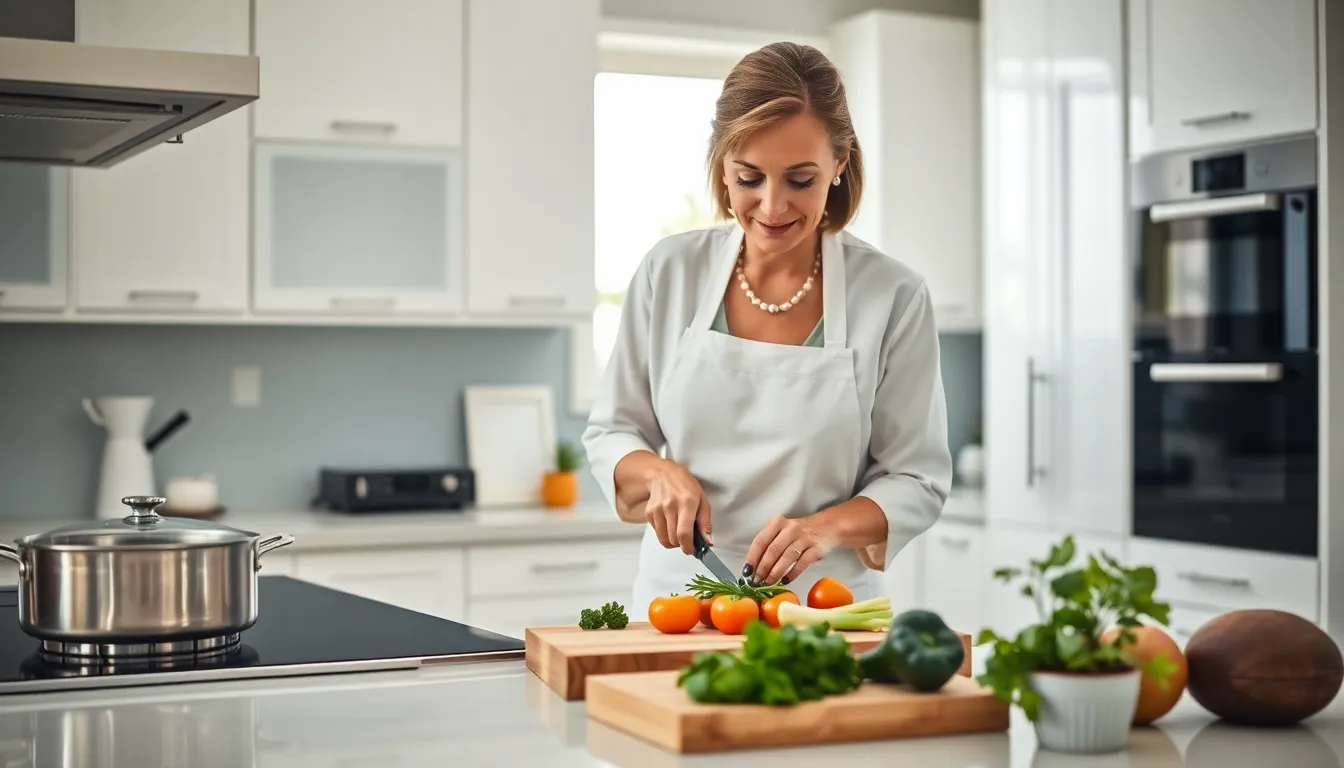
Cooking techniques form the backbone of culinary arts. They dictate how ingredients combine, the flavors that blossom, and the texture that dishes present. Importance of Cooking Techniques To thrive in the kitchen, understanding these techniques is vital. Mastery over basic methods enhances creativity, allowing cooks to embark on culinary adventures with confidence. Without a firm grasp of techniques like chopping or sautéing, even the most ambitious recipes can feel daunting, leading to anxiety instead of culinary joy.
Classification of Cooking Techniques
Cooking techniques can be classified into three main categories. Understanding these categories helps to streamline your cooking process and ensures the right method for each dish. ### Moist Heat Cooking Techniques This category includes techniques that use water or steam to cook food. Methods such as boiling, steaming, and poaching ensure that ingredients retain moisture. They’re perfect for delicate foods like fish or vegetables. ### Dry Heat Cooking Techniques These techniques work their magic without moisture, using dry heat to deeply flavor and brown ingredients. Roasting, baking, and frying fall under this classification. They’re ideal for meats and baked goods where crisp textures and rich flavors are desired. ### Combination Cooking Techniques Combining both moist and dry heat can yield delightful results. Techniques like braising or stewing use a bit of both worlds. They are excellent for tougher cuts of meat because they result in tenderness, packing flavors along the way.
Essential Cooking Techniques for Beginners
For those embarking on their culinary journey, mastering a few essential techniques is crucial. These methods will serve as the foundation for countless meals. ### Chopping and Cutting Techniques Knife skills are fundamental to cooking. Learning to chop, dice, and julienne not only saves time but also enhances presentation. The first step is to choose the right knife and practice your grip. ### Sautéing and Stir-Frying Sautéing involves cooking food quickly in a small amount of fat over relatively high heat. This technique allows for quick cooking while preserving flavors and nutrients. Stir-frying is a close cousin, utilizing an even higher heat but with plenty of movement in the pan to ensure even cooking. ### Boiling and Poaching Boiling is the act of cooking food in bubbling water, while poaching gently cooks food in simmering liquid. Both methods are essential for preparing grains, vegetables, and proteins while keeping them tender and juicy.
Baking and Roasting
Baking and roasting are two staple cooking techniques that frequently make their appearance in kitchens worldwide. Baking refers to the process of cooking food by surrounding it with dry heat in an oven. While most commonly associated with cakes and bread, baking is versatile enough for casseroles and quiches too. Roasting, on the other hand, involves cooking food evenly in an oven or over an open flame, often resulting in beautifully caramelized flavors. Vegetables and meats roast excellently, developing a richness that delights the palate.
Advanced Cooking Techniques
For those looking to elevate their culinary game, mastering advanced techniques can open new doors to creativity. ### Searing and Grilling Searing is perfect for developing rich flavors and textures on meats, sealing in juices, and creating a gorgeous crust. Grilling, similar but with a smoky flavor, provides an enjoyable way to cook outdoors while embracing the flavors of charcoal or wood. ### Sous Vide Techniques Sous vide, which means ‘under vacuum’ in French, involves cooking food slowly in a water bath at precisely controlled temperatures. This technique ensures that food is cooked evenly, preserving moisture and flavor.

