
Have you ever tasted a dish so good that you found yourself asking, “Why can’t I cook like this?” Well, fret not. Unlocking the secrets of Chinese cooking techniques is easier than learning to use chopsticks without fumbling your dumplings. From quick stir-frying to intricate steaming, this article breaks down the art of Chinese cuisine into digestible bites, pun intended. Whether you’re a novice chef or an aspiring culinary master, understanding these methods will elevate your cooking game and impress your guests. Let’s immerse and transform your kitchen into a Chinese restaurant.
Understanding Chinese Cuisine
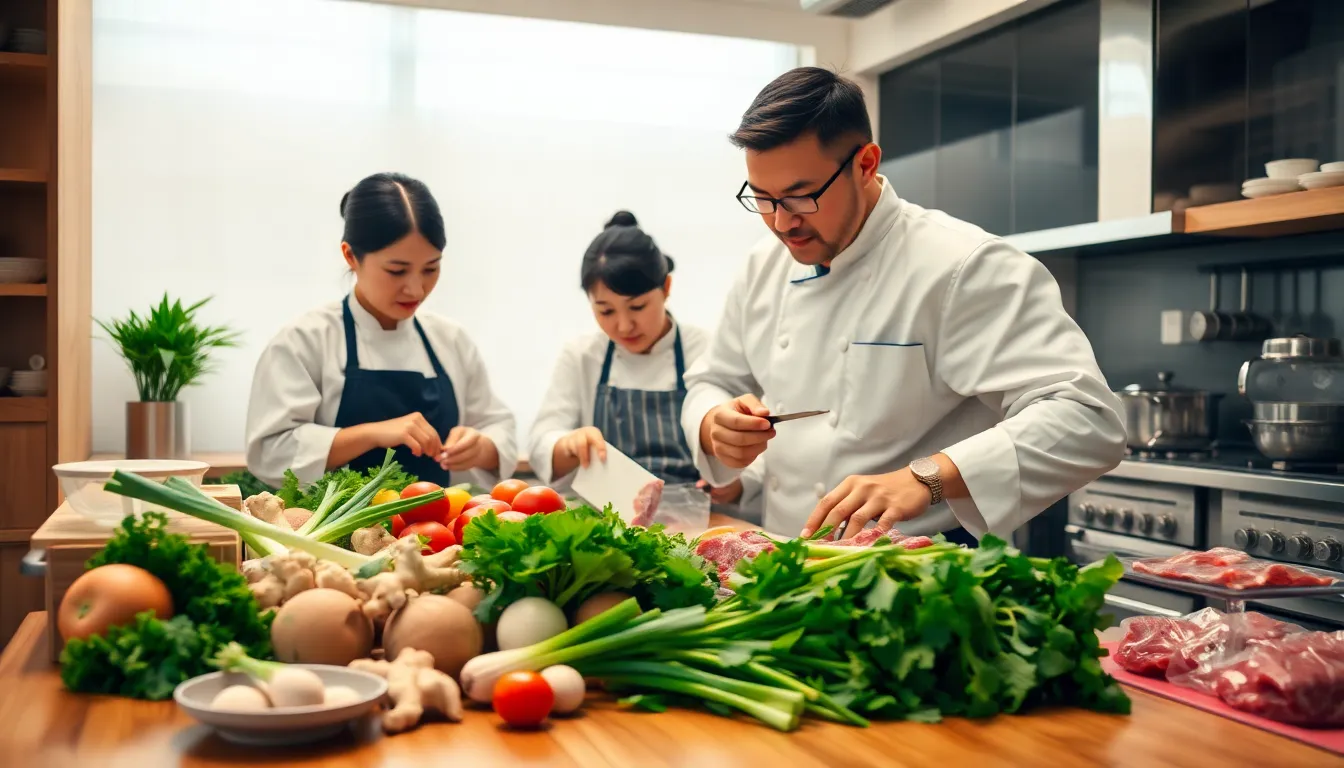
Key Principles of Chinese Cooking
When it comes to Chinese cooking, balance is key. The philosophy of yin and yang plays an essential role, encouraging harmony between flavors, textures, and colors. Dishes are often crafted to combine sweet, sour, salty, and spicy elements, creating a symphony of flavors that dance on the palate. Also, presentation matters, a beautifully arranged dish can enhance the eating experience, making everything visually appetizing.
The Role of Ingredients in Chinese Cooking
In Chinese cuisine, the quality of ingredients cannot be overstated. Fresh produce, aromatic herbs, and high-quality meats can make all the difference. For instance, the use of ginger, garlic, and scallions forms the basis of many dishes, infusing them with depth and character. The cooking techniques are designed to enhance these natural flavors rather than overpower them, making ingredient choice crucial.
Essential Cooking Tools and Equipment
Popular Chinese Cooking Techniques
To truly embrace Chinese culinary traditions, an understanding of essential cooking techniques is vital. Some methods like stir-frying and steaming are simple yet effective, while others, such as braising, require patience and skill. But don’t worry: the learning process can be as enjoyable as the eating.
Stir-Frying: A Quick and Flavorful Method
Ah, stir-frying, the rock star of Chinese cooking. Utilizing a wok, this technique allows for high-temperature cooking with minimal oil. This method ensures that vegetables remain crisp and meats juicy. The key? Have all ingredients prepped and ready before you start, because once the heat is on, things move fast.
Steaming: Preserving Nutrients and Flavor
If you’re looking for a healthy option, look no further than steaming. Often used for dumplings, fish, and vegetables, steaming locks in nutrients while enhancing the natural flavors of the ingredients. Also, it requires little to no fat, making it a guilt-free choice for many. Bonus? Your kitchen will smell divine.
Braising: A Slow-Cooked Delight
Braising might seem old-fashioned, but this technique is a cornerstone of Chinese cooking. It involves cooking food slowly in a small amount of liquid, allowing the flavors to meld beautifully. The result? Tender, flavorful dishes that melt in your mouth. Popular choices include braised pork belly and beef stew, both packed with deep, rich flavors.
Deep-Frying: Achieving Crispiness
Who doesn’t love that golden, crispy texture? Deep-frying is a beloved Chinese cooking technique, especially for dishes like spring rolls and crispy chicken. The secret lies in high heat and quick cooking times: you want that perfect crunch without turning your dish into an oil-soaked mess. Just remember to use a thermometer to maintain the ideal frying temperature.
Poaching: A Gentle Cooking Technique
Regional Variations in Cooking Techniques
One cannot talk about poaching in the Chinese culinary realm without acknowledging the incredible regional diversity. Each area has its unique cooking styles, reflecting local ingredients and cultural practices. Poaching dishes can be found throughout China, each with its twist and flair.
Northern vs. Southern Chinese Cooking
Northern Chinese cuisine, characterized by heartier dishes, often features a stronger reliance on wheat-based ingredients like noodles and dumplings. On the other hand, Southern cuisine boasts a lighter touch, with rice as a staple and a focus on vegetables and seafood. Each region has mastered poaching in its way, showcasing the versatility of this technique.
Sichuan Flavors and Techniques
Sichuan cooking deserves a special mention, known for its bold flavors and liberal use of spices. Poaching in Sichuan cuisine often involves aromatic broths that use star anise, Sichuan pepper, and ginger, creating intricate flavor profiles that tantalize the taste buds. This technique allows for the natural flavors of the ingredients to shine while delivering the signature spice and heat that Sichuan is famous for.

