
When it comes to Italian cooking, it’s more than just tossing some ingredients together and hoping for the best. It’s a blend of artistry and passion, a symphony of flavors that deserves a standing ovation. The secret? Mastering essential techniques. Picture this: a creamy risotto glistening on the plate, a tomato sauce that sings with freshness, or a perfectly grilled branzino. Sounds appealing, right? In this text, we’ll investigate into the intriguing realm of Italian cooking techniques, unraveling secrets that chefs have cultivated over generations. Get ready to elevate your kitchen game from ‘frozen pizza’ to ‘Chef’s Kiss’ worthy dishes.
Understanding The Foundations Of Italian Cooking
The Importance Of Fresh Ingredients
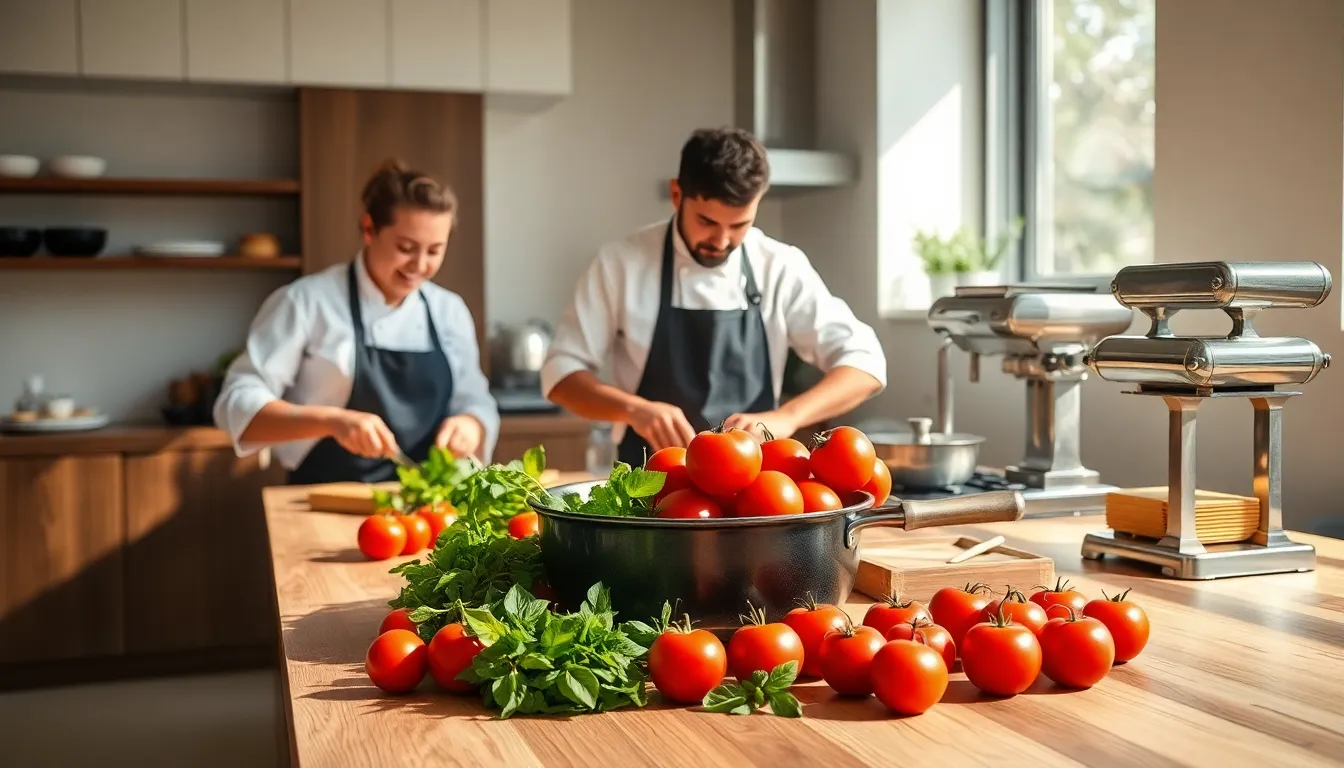
Fresh ingredients are the backbone of Italian cuisine. Italians don’t just cook: they celebrate their ingredients. The mantra is simple: if it’s not fresh, it’s not authentic. Imagine biting into a sun-ripened tomato, bursting with flavor, or enjoying basil picked just moments before hitting the pot. This approach highlights the importance of sourcing local produce and using seasonal ingredients. Remember, the simpler the dish, the more crucial the quality of each component becomes.
Traditional Cooking Equipment
No kitchen is complete without its tools, and in Italian cooking, certain equipment reigns supreme. From heavy cast-iron skillets to wooden spoons, each tool has a story to tell. These items contribute not only to flavor but also to the cooking experience. A well-seasoned pan can enhance the taste of sautéed vegetables, while traditional pasta makers allow for the creation of perfect fresh pasta. Embracing these tools gives a sense of authenticity while allowing a connection to timeless culinary practices.
Key Techniques In Italian Cuisine
Sautéing And Its Variations
One of the most fundamental techniques in Italian cooking is sautéing. It’s all about quickly cooking food in a small amount of oil over high heat, allowing the delicious flavors to bloom. Variations include adding garlic or herbs to the oil before introducing vegetables, creating layers of complexity in just a few seconds. Think of it as a flavor primer, setting the stage for your dish.
Braising: A Deep Dive
On chilly evenings, nothing’s quite like the warmth of braised dishes. This technique involves cooking meat slowly in a bit of liquid, resulting in tender, flavorful bites that melt in the mouth. Italian classics like Osso Buco showcase the power of braising, combining patience with technique to extract rich flavors that sing with authenticity.
Grilling And Roasting: Techniques And Tips
Grilling and roasting are not just methods of cooking: they are celebrations of flavor. Italians grill everything from meats to vegetables, sealing in juices while creating a beautiful char. Meanwhile, roasting brings out the natural sweetness in ingredients, creating hearty dishes that echo Italian family traditions. Strategies include brushing veggies with olive oil and seasoning properly before hitting that grill or oven for maximum taste.
The Science Behind Italian Sauces
Preparing Tomato Sauce Like A Pro
Creating a tomato sauce that rivals your favorite Italian eatery isn’t as daunting as it sounds. Key elements include selecting quality San Marzano tomatoes and allowing ample time for simmering. The technique involves layering flavors, starting with sautéed onions and garlic, then adding tomatoes and letting the sauce reduce. Many chefs swear by finishing the sauce with fresh basil. It’s a straightforward technique that can transform any dish from mundane to magnificent.
Creating A Perfect Pesto
Pesto is a brilliant showcase of Italian ingenuity. To create this vibrant sauce, fresh basil, pine nuts, garlic, olive oil, and parmesan cheese must all work together in harmony. A quick blitz in a food processor yields a thick, aromatic mix that can elevate pastas or serve as a dip. For an extra touch, experiment with different nuts or herbs: it’s all about finding one’s personal twist.
Pasta Making Mastery
Types Of Pasta And Their Uses
Pasta comes in countless shapes and sizes, each designed for a particular purpose. Long strands like spaghetti hold rich sauces, while short pasta varieties, such as penne, are perfect for chunky mixtures. Understanding these distinctions is essential for successful Italian cooking, and choosing the right type can enhance the whole culinary experience.
Rolling And Shaping Techniques
Homemade pasta is a labor of love, but the payoff is worth every minute. A rolling pin or pasta machine is indispensable for achieving that delicate, thin dough. Techniques vary from simple shapes like tagliatelle to intricate ones like tortellini. The joy of crafting pasta lies not just in the final product, but in the process itself – kneading, rolling, and shaping connect one with the heart of Italian cooking.
Risotto And Rice Dishes: Techniques To Try
The Art Of Stirring And Timing
Risotto is Italy’s answer to comfort food, and it’s all about the technique. The risotto requires patience and constant attention. Stirring often allows the starches to release and create that coveted creamy texture. This method is about timing: adding broth gradually and ensuring every grain of rice is perfectly cooked. It’s a labor of love that results in a dish that warms both body and soul.
Finishing Techniques For Creamy Risotto
A successful risotto isn’t just about the technique but also about finishing touches. At the end of cooking, the addition of butter and parmesan can elevate the dish to new heights. The butter emulsifies to create a silky finish, while the cheese adds depth. The real challenge lies in achieving the right balance, ensuring every bite is a harmonious blend of flavors.

